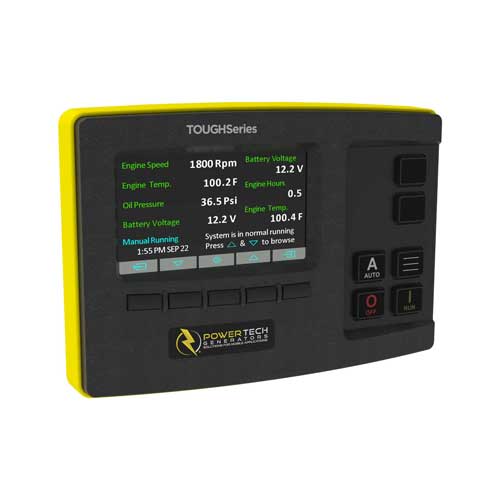
Generator set featuring a robust engine and control panel, designed for reliable power generation in various applications.

12kW Diesel Generator on slide rack

The PTK-12-MIL-HI generator, tailored specifically to meet the power requirements of military operations, notably within the compact confines of the S-788 Humvee-mounted shelter.

Compact green power generator with control panel and ventilation grill, designed for rugged environments.

10 KW DIESEL TRAPEZOID GENERATOR

The PTK-10-TRAP generator was designed to meet the unique challenges posed by the cramped confines of military scout vehicles.

Power Tech PTK-12ENC portable generator with black casing and wheels, designed for mobility and efficiency.

12 KW DIESEL GENERATOR WITH TANK AND WHEELS

Focused on portability, quick assembly, and ease of use, this project highlights the importance of responsive solutions in emergency situations.
Custom Mobile Generator Cost: 7 Essential Price Factors

Custom mobile generator cost depends on more than the number of kilowatts on a specification sheet. Power output, fuel type, enclosure design, cooling configuration, mounting requirements, controls, and installation scope all help determine the investment.

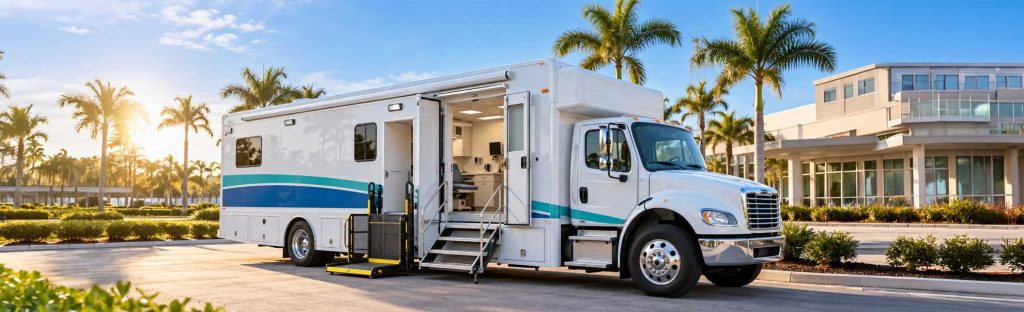
For a specialty vehicle builder or mobile business owner, the most useful starting point is a quote based on the actual application. A mobile medical vehicle, food service truck, and command trailer can have similar power requirements while needing very different generator configurations.

PowerTech designs and assembles generators but does not install them. Installation must be arranged separately with your vehicle builder or a qualified installer.

That is why a single advertised price rarely tells the whole story. To build a realistic budget, you need to understand what the generator includes, what the vehicle requires, and which expenses fall outside the equipment quote.

What Determines Custom Mobile Generator Cost?

A custom generator is selected around the work it needs to perform and the space available to install it. Two systems with the same rated output can have different costs because one uses an existing vehicle compartment while the other requires a sound attenuated enclosure, a different cooling arrangement, or additional integration work.

The following seven factors provide a practical framework for understanding your quote.

1. Power Output and Actual Equipment Demand

Generator capacity is a major pricing consideration, but selecting a system starts with understanding the load rather than choosing the largest unit that fits the budget.

Your equipment schedule should identify running demand, starting requirements, voltage, phase, and which devices operate together. Air conditioning, compressors, pumps, cooking equipment, and other loads can place different demands on the power system.

For example, a trailer with lighting and office equipment presents a different operating profile from a mobile kitchen with refrigeration, ventilation, and electric cooking equipment. Even when the total connected loads look similar, the starting sequence and simultaneous demand can change the selection.

Buying more capacity than the application requires adds expense without automatically improving performance. Selecting too little capacity can restrict operations or require changes later.

Use the Generator Size Calculator for an initial estimate, then review the equipment data with the generator manufacturer before final selection.

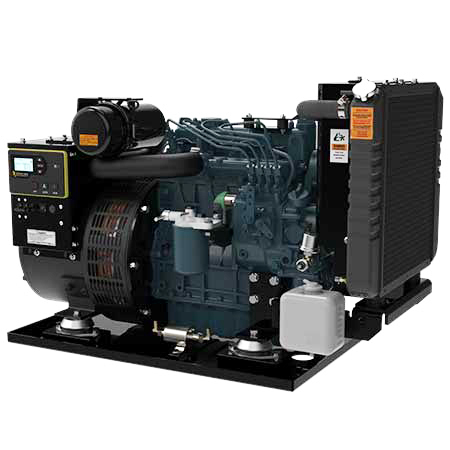
PowerTech PT-12000 open-frame diesel generator showcasing robust design for heavy industrial applications, featuring advanced control panel and durable components for reliable performance.

2. Gasoline or Diesel Configuration

Service Side view of the 12 kw gas generator

Fuel selection affects the equipment configuration and the way the generator integrates with the vehicle.

A gasoline powered vehicle may benefit from keeping the generator and chassis on the same fuel type. A diesel vehicle may present a similar opportunity with a diesel generator. However, a shared fuel type does not eliminate the need to design the fuel supply correctly.

Compare the proposed systems using your expected operating hours, load profile, refueling arrangements, and service needs. Avoid assuming that one fuel type always produces the lowest total cost for every application.

The right comparison uses specific models and their documented performance. Review PowerTech’s generator lineup with your application requirements in mind.

3. Open Generator or Sound Attenuated Enclosure

The enclosure decision affects both the generator quote and the surrounding vehicle construction.

An open generator can be appropriate when the vehicle builder provides a properly designed compartment. The generator may have a different equipment price from an enclosed configuration, but the compartment still needs suitable construction, ventilation, access, and integration.

An enclosed generator incorporates a housing designed around the equipment. Depending on the selected model, the enclosure can help address sound control and equipment packaging. The vehicle installation must still meet the model’s cooling, exhaust, clearance, and service requirements.

When comparing custom generator pricing, evaluate the complete scope. A lower equipment quote may leave more compartment fabrication and installation work for the vehicle builder.

Sound requirements should also be defined early. A vehicle serving patients, hosting customers, or operating near occupied spaces may require a different approach from equipment working in a less noise sensitive environment.

20 kW diesel generator in a quiet enclosure with quick access door, single side service, and Power Tech Generators branding.

4. Cooling System and Available Installation Space

Cooling requirements can influence the generator configuration and the amount of work needed to integrate it into a vehicle.

A compartment with limited space may require closer coordination of the radiator location, cooling air path, connections, and access panels. Depending on the application and available options, the design team may evaluate an integral radiator or a remote radiator arrangement.

Neither configuration should be selected on equipment price alone. Review the complete cooling system, including any additional components, mounting work, and installation labor included in the proposal.

Resolving these questions before the vehicle layout is finalized helps identify costs while changes are easier to evaluate. Moving a compartment or revising a finished body can affect more than the generator budget.

5. Mounting, Dimensions, and Service Access

Custom mobile generators must fit the vehicle while remaining accessible for maintenance and repair.

Mounting provisions, available compartment dimensions, connection locations, and the direction of service access can all influence the proposed configuration. Where appropriate and available, a slide rack or other service arrangement may also become part of the discussion.

Think beyond whether the generator physically fits. Can a technician reach the filters? Can service panels be removed? Is there a practical way to remove the unit if major work becomes necessary?

A layout that saves space during construction can create added labor during future service. Evaluating access as part of the purchase helps buyers compare the initial investment with the cost of maintaining the completed vehicle.

PowerTech’s custom generator portfolio provides examples of application specific packaging to discuss with the team.

Generator Slide Rack

6. Electrical Configuration, Controls, and Integration

Rated output is only one part of the electrical specification.

The required voltage, phase, frequency, control location, and connection arrangements should be identified before pricing is finalized. Where the vehicle also uses shore power, batteries, or an inverter, the system designer needs to define how those sources will work together.

Ask which control components are included with the generator and which belong to the vehicle’s electrical system. Remote operating panels, transfer equipment, distribution components, and associated wiring should each have a clearly assigned scope.

This distinction matters when comparing proposals. One supplier may quote the generator alone while another proposal includes additional equipment. Compare matching requirements before deciding which offer represents the better value.

7. Engineering Scope, Testing, and Order Requirements

The amount of application specific work can also affect custom mobile generator cost.

A project using an established configuration may involve a different scope from a build requiring a revised layout, new fabrication details, or additional documentation. Testing expectations should also be defined so everyone understands what will be verified before delivery and what must be checked after installation.

For OEM programs, discuss the expected number of units, configuration consistency, drawing approvals, and delivery schedule. Ask how the proposal handles an initial build compared with later orders, rather than assuming a particular volume discount or lead time.

Clear requirements give purchasing, engineering, and production teams a shared basis for reviewing the quote.

Generator Price vs. Total Installed Cost

The generator quote and the finished vehicle power system budget are related, but they may cover different work.

PowerTech’s quote covers the generator and the components specified in the proposal. PowerTech does not provide installation services. Obtain a separate installation quote from your vehicle builder or qualified installer, and confirm which components each party will supply.

Budget categoryWhat to clarify
Generator equipmentSelected model, output, enclosure, and included components
Cooling systemRadiator arrangement, fans, hoses, mounting, and installation responsibility
Vehicle integrationCompartment work, structural provisions, and access panels
Fuel and exhaustSupplied components, routing work, and connection responsibility
Electrical installationControls, wiring, transfer equipment, distribution, and labor
Delivery and commissioningFreight, unloading, installation checks, and completed vehicle testing

Not every project requires the same items, and not every supplier includes them in the same way. A detailed scope is more useful than a price comparison that leaves these differences unresolved.

How to Compare Custom Generator Quotes Fairly

Start by confirming that each proposal addresses the same operating requirements. Matching kilowatt ratings alone does not establish an equivalent system.

Consider two hypothetical quotes for a 20 kW vehicle application. One covers an open generator that will use the builder’s compartment and associated integration work. The other includes an enclosed configuration and additional components. The price difference does not, by itself, establish which system will cost less once the vehicle is complete.

Ask each supplier to identify inclusions, exclusions, assumptions, and any information still needed to finalize the proposal. Confirm the configuration, service access, installation responsibilities, support arrangements, and applicable warranty terms.

Then evaluate operating expenses separately. Fuel consumption, maintenance requirements, service labor, and the consequences of downtime all affect ownership cost. Use the selected model’s documentation and your expected workload rather than a general savings claim.

What to Prepare for a Custom Generator Quote

You do not need a finished engineering package to begin a conversation. However, a few details help the manufacturer understand the project and identify unanswered questions.

Prepare the following information where available:

  • Vehicle or trailer type and intended use.
  • Equipment list with electrical requirements and starting data.
  • Expected operating hours and simultaneous loads.
  • Preferred fuel type and proposed fuel supply.
  • Compartment dimensions, drawings, and access restrictions.
  • Noise expectations, operating environment, and delivery needs.


Clearly label preliminary measurements and estimated loads. Early assumptions can be reviewed before they become purchasing decisions.

For a more detailed planning resource, read Specialty Vehicle Generator Specifications: What OEMs Should Define Before Requesting a Quote.

Frequently Asked Questions About Custom Mobile Generator Cost

How much does a custom mobile generator cost?

An accurate price requires a defined configuration and scope. Output, fuel type, enclosure, cooling, mounting, controls, and installation requirements all influence the quote. Request pricing for your specific vehicle and equipment schedule, then confirm which installation expenses are included.

Does PowerTech install generators?

No. PowerTech designs and assembles generators but does not install them. Arrange installation separately with your vehicle builder or a qualified installer. Review the generator proposal for included components, then obtain a separate quote for installation labor, connections, and completed vehicle testing.

Is an open generator less expensive than an enclosed generator?

Compare the actual configurations being proposed. An open generator may have a lower equipment price, while the vehicle still needs a suitable compartment and integration work. Evaluate the total installed system to understand the complete cost difference.

Can a custom generator reduce installation costs?

Matching the generator layout to the vehicle may reduce the need for later modifications. Any savings depend on the project. Review mounting, connections, cooling, and access during planning instead of assuming that customization automatically lowers every expense.

Can I get a quote before my vehicle design is complete?

You can begin the discussion with a preliminary equipment list and layout. Identify which requirements are confirmed and which remain estimates. Ask what information is needed for budgetary pricing and what must be resolved before a final configuration is approved.

Get a Custom Mobile Generator Quote for Your Application

The most useful generator budget starts with the way your vehicle will operate. Define the equipment demand, installation space, fuel preference, and operating schedule, then compare a clearly documented scope.

PowerTech designs and assembles custom gas and diesel generators for specialty vehicles and mobile businesses. Explore our generator customization capabilities or contact PowerTech Generators to discuss a configuration for your project.

Bring your equipment list and available drawings. Our team can help you identify the details needed to develop a quote around your application.